
Top 5 Eco-Friendly Home Linen Fabrics in India (Bamboo, Cotton, Modal & More)
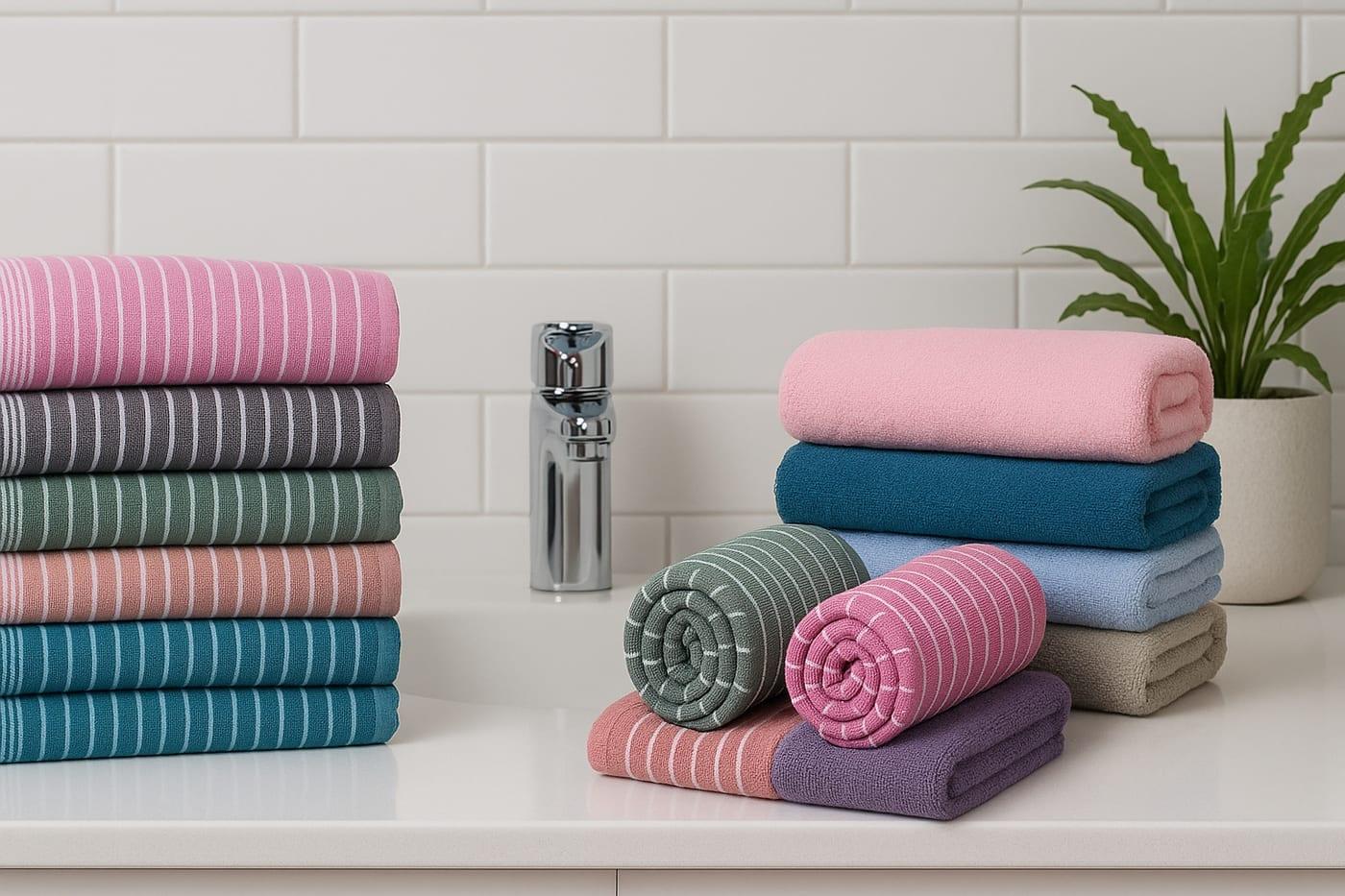
Eco-conscious home design isn’t just about switching to LED lights or adding plants — it extends to what you sleep in and dry off with every day. The fabrics used in your bedsheets, towels and curtains have a big impact on both comfort and the environment. As awareness about sustainability grows in India, more households are choosing eco-friendly home linens made from renewable or responsibly processed fibres such as bamboo, organic cotton, modal, linen and recycled materials. Each fabric brings its own texture, performance and footprint, and understanding those differences can help you make smarter, longer-lasting choices.
In this guide, we’ll explore five of the most talked-about eco-friendly fabrics for Indian homes. You’ll learn what makes them sustainable, how they feel, their pros and cons, and small care tips to help them last longer. By the end, you’ll know which fabric works best for your lifestyle — whether you prefer crisp cotton sheets, soft bamboo towels or airy linen covers.
1. Bamboo (viscose) — renewable & soft
Bamboo has quickly become one of India’s favourite eco-friendly fabrics, especially for towels, bed linens and bathrobes. The bamboo plant grows rapidly without the need for replanting, pesticides or excessive irrigation, making it a renewable raw material. From a sustainability point of view, that’s a huge plus compared to water-intensive cotton crops. The challenge comes during processing — bamboo stalks need to be converted into viscose or lyocell through chemical treatment to turn the tough fibres into soft fabric. The process can be eco-friendly if done in a closed-loop system where chemicals are captured and reused, but less responsible factories still discharge them untreated.
In daily use, bamboo towels and sheets feel incredibly smooth, slightly silky and naturally cool against the skin. They also resist odour and bacteria better than many synthetics, which makes them ideal for humid Indian climates where towels tend to stay damp. You’ll often see bamboo blends (for example, bamboo–cotton) — these combine the softness of bamboo with the durability of cotton. If you’re shopping online, look for brands that mention OEKO-TEX or FSC certification to ensure the bamboo source and production are responsible.
2. Organic Cotton — trusted & durable
Cotton has always been India’s comfort fabric, but traditional cotton farming uses large amounts of water and chemical fertilisers. Organic cotton changes that by using natural pest control, rain-fed crops and ethical labour standards. The Global Organic Textile Standard (GOTS) is the key certification to look for — it ensures both environmental and social criteria from farm to finished product. Organic cotton linens feel exactly like regular cotton — breathable, familiar and sturdy — but carry a lighter footprint on the planet.
If you prefer that classic crisp bedsheet or absorbent bath towel that lasts for years, organic cotton is the way to go. It’s also widely available across India now, from boutique labels to mainstream brands. The texture tends to get softer with every wash, and if cared for properly — washed on gentle cycles, dried in shade — organic cotton can easily outlast synthetic blends. The only trade-off is cost: true certified organic cotton costs a bit more, but the durability and feel often justify it over time.
3. Modal & Tencel — smooth & drapey
Modal and Tencel (also called Lyocell) are next-generation fabrics made from wood pulp — usually beech, eucalyptus or birch trees. They belong to the ‘regenerated cellulose’ family, meaning they come from natural materials but are processed into fibres. What makes them stand out is their silky smooth texture and sheen, making them perfect for people who love soft, drapey bedding or lightweight blankets. Unlike some synthetics, they breathe well and absorb moisture efficiently, so you won’t feel sticky in warm weather.
From an eco perspective, Tencel is considered one of the more sustainable man-made fibres because it’s made in a closed-loop system by Lenzing — the company that pioneered its production. Over 99% of the solvents used to break down the wood pulp are recovered and reused. Modal is a close cousin, slightly less silky but equally strong and resistant to shrinkage. In India’s tropical climate, modal or Tencel bedsheets feel pleasantly cool and less clingy than polyester or high-GSM cotton. They’re also wrinkle-resistant, which is a small but real perk for people who don’t iron their linens daily.
4. Linen — airy & long-lasting
Linen has been loved for centuries for its crisp, breathable texture and timeless appearance. Made from flax plant fibres, it’s one of the oldest textiles known to humans — and still one of the most sustainable. Flax grows well in temperate climates with little water and almost no chemical input. Every part of the plant is used in some way, and linen fabrics are naturally biodegradable. In India, linen has made a comeback in premium bedding and table linens thanks to its elegant matte texture and cooling properties that suit hot weather.
Linen’s biggest strength is durability — it becomes softer and stronger with each wash. A good linen sheet or towel can easily last over a decade with proper care. The slightly wrinkled look that linen develops is part of its charm; it signals authenticity rather than imperfection. If you’re someone who loves natural textures and minimalism, linen fits beautifully into an eco-friendly home. Just remember: it dries faster than cotton but can feel crisp at first — after two or three washes, it settles into a soft, relaxed drape.
5. Recycled Fibres — circular & low impact
The fifth category isn’t a single fibre but a growing movement — recycled materials. This includes recycled cotton, upcycled denim, and even PET bottles turned into polyester threads. While synthetic polyester isn’t naturally sustainable, recycling post-consumer plastic into usable fibre helps reduce waste and dependence on virgin petroleum resources. In India, recycled textile initiatives are expanding, with several brands sourcing pre-consumer cotton waste from spinning mills and converting it into blended yarns for bed covers, throws and cushion covers.
Recycled fabrics are best seen as part of a circular economy approach rather than perfect eco-solutions. They save energy, extend material life and keep waste out of landfills. The feel of recycled blends varies widely — recycled cotton tends to be slightly coarser, while recycled polyester blends are smoother and more durable. When buying, look for certifications like Global Recycled Standard (GRS) and check if the brand discloses the percentage of recycled content. The higher that number, the better. Recycled fabrics are a smart, affordable way for Indian households to start living more sustainably without completely changing comfort expectations.
Whether you go for bamboo’s silky comfort, organic cotton’s reliability, modal’s drape, linen’s heritage or recycled fibres’ circular story, each choice supports a lower-impact lifestyle. There’s no single ‘best’ fabric — the right one depends on your preferences, climate and how you maintain your linens. Mixing them often gives the best results: for example, bamboo towels for quick drying, organic cotton bedsheets for daily use, and linen pillow covers for breathable summer comfort.
At Kaibee, we’ve gradually introduced eco-friendly materials across categories to make sustainable living simpler. From ultra-soft bamboo bath towels to organic cotton classics, each piece is designed to balance comfort with conscious choices. The key is buying less but better — investing in fabrics that feel good and last long.
Recommended Kaibee picks
₹699
₹1,099
36% OFF
₹799
₹1,349
41% OFF