
The Complete Bedsheet Buying Guide for Indian Homes (2026)
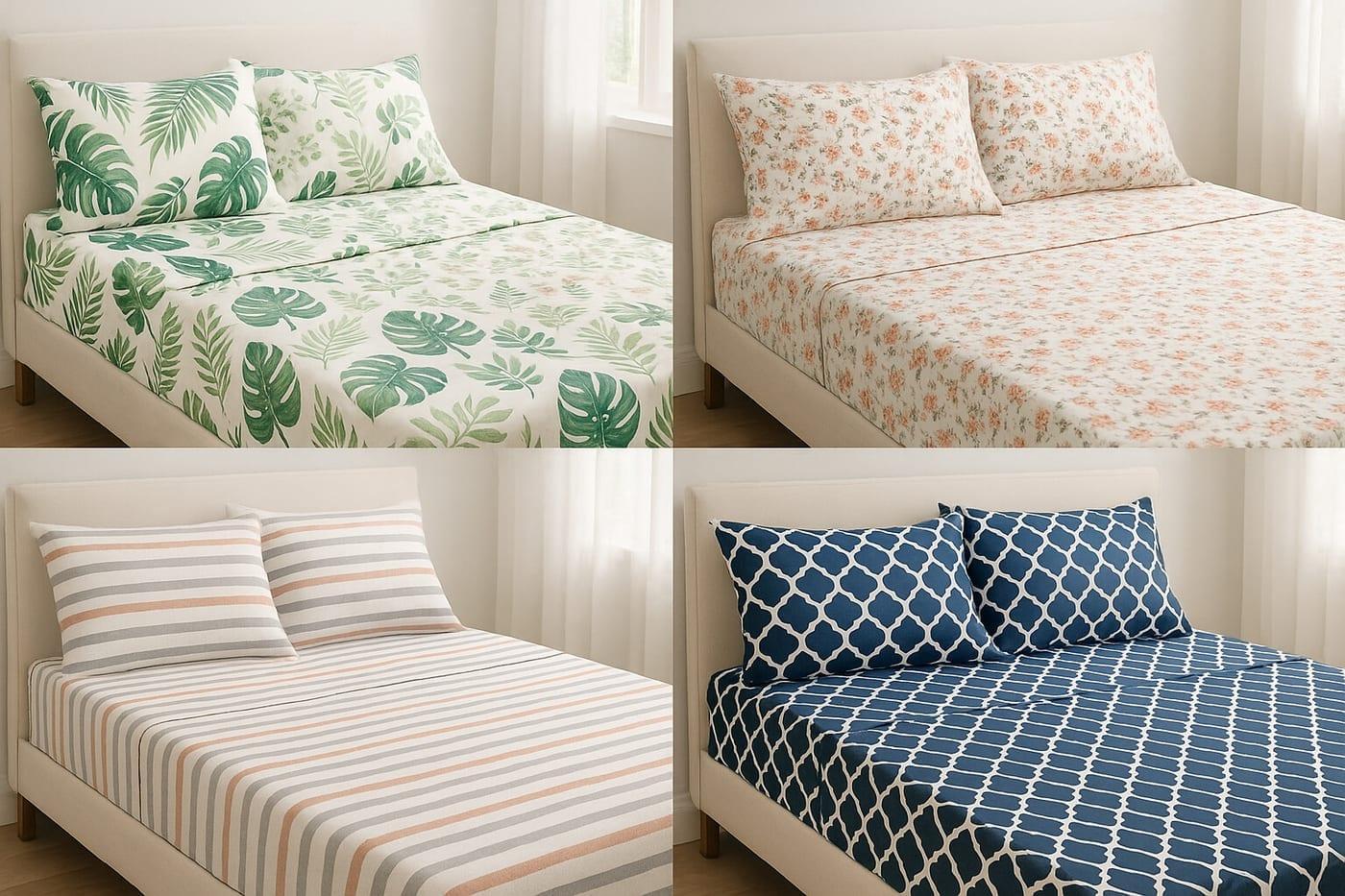
Bedsheets are the most-touched textile in your home — you spend a third of your life on them. And yet most buyers reach for whatever is on sale at the local store, end up with a hot, scratchy synthetic, then wonder why their sleep feels low-quality. The right bedsheet improves sleep, lasts five or six years, and costs less per year than the ₹399 polyester sets you'd otherwise replace twice annually. This guide is the framework we use ourselves.
1. The Size Decision — Most Common Mistake
Indian bedsheet sizes have inherited a confusing mix of imperial and metric conventions. Here's the simple version:
Measure your mattress before buying. Get the size right or the bedsheet will either not tuck in, or slip off the corners every night. → Read our full How to Choose Bedsheet Size guide for measurement tips.
2. Fabric — the biggest decision
This is the single biggest determinant of how your bedsheet will feel — and whether you'll be happy with it 6 months from now. Three options worth considering, one to avoid.
100% Cotton — the right choice for India
Cotton is breathable, soft, gets better with use, and is the gold standard for Indian climates. Choose long-staple cotton (Egyptian, Pima, Indian premium) where you can — softer and more durable than commodity cotton. Cotton handles 30°C nights and 80% humidity without trapping heat against your skin.
Bamboo-cotton blend — premium upgrade
70% bamboo / 30% cotton blends are silkier than pure cotton, naturally antibacterial, and stay cool to the touch through summer nights. They cost more, but earn it back through 1–2 extra years of softness. Best for sweaty sleepers.
Linen — the luxury option
Linen feels coarser than cotton at first but softens beautifully over years. It's the coolest fabric in summer and surprisingly insulating in winter. Not yet widely sold in India outside boutique brands; expensive (₹3,000+). A specialist choice.
Microfiber / Polyester — skip in India
Cheap, smooth-feeling synthetic. Traps heat, doesn't wick moisture, can feel clammy in humid weather. Pills and develops static within months. It's everywhere in the budget segment for a reason — it's profitable to manufacture. Pay slightly more for cotton.
→ Read: Cotton vs Microfiber Bedsheets — head-to-head comparison.
3. Thread Count — Less Important Than You Think
Thread count (TC) is the most over-marketed bedsheet metric. Higher is NOT always better. A 200-TC long-staple cotton sheet feels luxurious; a 1,000-TC mass-market cotton sheet often feels worse.
What actually matters: the staple length of the cotton fibre. Long-staple cotton at 200 TC feels softer than short-staple cotton at 600 TC. If a brand doesn't disclose fibre type, treat that as a red flag.
4. Weave — Percale vs Sateen
Percale and sateen are the two main weave styles for cotton bedsheets. Same fibre, different finish:
- Percale — plain weave, matte finish, crisp like a fresh shirt. Best for hot Indian climates. Wrinkles more out of the dryer.
- Sateen — four-over-one weave, silky-smooth, slight sheen. Feels warmer; great for cool/dry cities like Delhi or Bangalore.
5. Care — Make Them Last 5+ Years
- Wash before first use — removes manufacturing finish and softens the fibres
- Machine-wash cold or warm on a gentle cycle with similar colours
- Use mild detergent only; avoid bleach — it weakens fibres
- Skip fabric softener — it coats the fibres in waxy residue that reduces breathability
- Tumble-dry low or line-dry in shade (direct sunlight fades dyes over time)
- Iron on the reverse side on medium heat if you want hotel-crisp finish
Cotton bedsheets get softer with every wash for the first 10–15 washes, then plateau at their final feel. Stick with quality cotton and proper care and you'll have bedsheets that outlast the mattress beneath them.
6. How Many Sets Do You Need?
Three sets per bed is the goldilocks number for most Indian households:
- Set 1 on the bed
- Set 2 in the cupboard, freshly laundered
- Set 3 in the wash / between washes
For monsoon-heavy cities (Mumbai, Goa, Kerala), keep four sets — drying takes longer when humidity stays above 80% for weeks. For homes with kids or pets, four sets minimum.
7. Price — What You Should Actually Pay
Buying a ₹500 set and replacing it yearly costs more than buying a ₹1,200 set every 4 years. The cost-per-year math nearly always favours mid-range quality. → Read our cost-per-year breakdown in the cotton vs microfiber guide.
Our 2026 Top Picks
₹1,499
₹2,499
40% OFF
₹1,499
₹2,499
40% OFF
₹1,499
₹2,499
40% OFF
₹1,499
₹2,499
40% OFF
₹1,499
₹2,499
40% OFF
Quick-Decision Summary
- Most households → 250–400 TC long-staple cotton, percale weave, ₹1,000–₹1,800 range
- Hot sleepers → percale weave, light colours, 180–220 TC
- Cooler cities → sateen weave, 300–400 TC, slightly warmer feel
- Want premium → bamboo-cotton blend or linen, ₹2,500+
- Don't buy → unbranded microfiber, anything claiming 1500 TC
Bookmark this guide — we update it every six months as we test new collections. For specific sub-topics, see our linked posts on size, summer-friendly fabrics, and cotton vs microfiber.