
The Complete Mattress Protector Buying Guide for Indian Homes (2026)
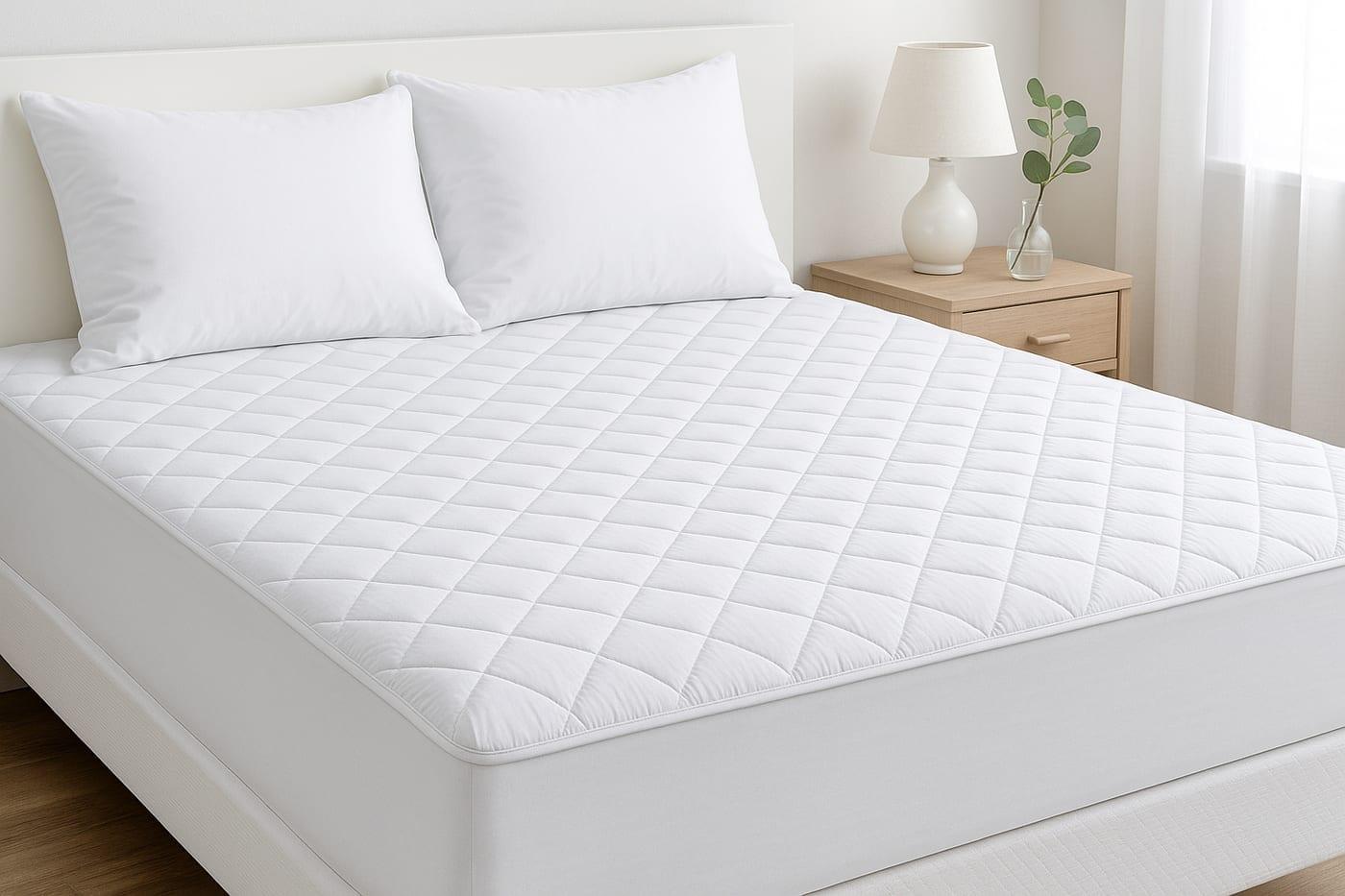
A mattress is the second-most expensive item in your bedroom — and the one you spend a third of your life on. Yet most Indian households leave it completely unprotected, then replace it after 5 years instead of the 10–12 it could have lasted. A good waterproof mattress protector costs ₹1,000–₹2,000 and pays for itself the first time a glass of water tips over, a child gets sick, or monsoon humidity starts encouraging mildew. This guide covers everything you need to know to buy the right one.
1. What a Mattress Protector Actually Does
- Blocks liquids (water, sweat, accidents, spills) from soaking into the mattress core
- Prevents dust mites, bacteria, and allergens from settling into the foam or coil layers
- Stops mildew growth — especially critical during monsoon when humidity stays above 80%
- Keeps the mattress warranty valid (most warranties are void if the mattress has stains)
- Extends mattress life by 2–4 years on average
Confused about how it differs from a mattress cover or topper? Read our mattress protector vs cover vs topper guide.
2. The Critical Spec: Waterproof Membrane Type
Not all waterproof protectors are created equal. The membrane technology matters far more than the marketing copy:
TPU (Thermoplastic Polyurethane) — the modern standard
Breathable, noiseless, machine-washable. Lets air and body heat pass through but blocks liquid completely. This is what KaiBee and most premium D2C brands use. The 'breathable' part is critical for Indian summers — without it, you'll wake up sweaty under a TPU-less protector. More on this in do mattress protectors make you hot?
PVC / vinyl — older, cheaper, avoid
Cheaper alternatives use a PVC plastic backing. They're waterproof but completely impermeable to air, which means heat traps under you, you sweat against the plastic, and the bedsheet on top feels clammy. They also crinkle audibly with movement. Skip unless price is the only consideration.
PU (Polyurethane) — middle ground
Less breathable than TPU, more comfortable than PVC. Acceptable for occasional use but TPU is worth the small price premium for daily use.
3. Sizing — Get This Right or It Won't Stay On
The skirt depth matters — modern mattresses range from 6 to 14 inches thick. Most KaiBee protectors fit up to 10 inches comfortably. For thicker mattresses (memory foam pillow-tops, hybrid coils), check the depth before buying or you'll end up with a protector that pops off the corners every night. For exact dimensions by bed size, see our mattress protector size guide for India.
4. Fabric Top Layer — Cotton vs Polyester
The top layer (the side touching your bedsheet) makes a big difference in feel:
- Cotton terry top — softest feel, slightly absorbent, doesn't crinkle. Premium choice.
- Polyester knit — smooth, durable, cheaper. Decent for budget buyers.
- Bamboo viscose — naturally antibacterial, cooling. Premium niche.
For most Indian households, a cotton terry top with a TPU waterproof backing is the sweet spot — soft enough that the bedsheet feels normal, breathable enough to handle Indian summers.
5. Special Cases — Babies, Allergies, Monsoon
For babies and toddlers
Crib and toddler-bed mattress protectors must be waterproof and hypoallergenic. Look for OEKO-TEX certification (verified free of harmful chemicals) and avoid any with strong chemical smells out of the package. → Read our deep-dive: Are Waterproof Mattress Protectors Safe for Babies?
For allergies and asthma
Dust mites are the #1 allergy trigger inside mattresses. A protector with tight-weave fabric blocks them from settling in. Look for 'allergen-barrier' or 'dust-mite-proof' on the spec sheet — these typically use a tighter fabric weave than standard protectors.
For monsoon-prone cities
Mumbai, Goa, Kerala, parts of Bengal — high humidity for 3+ months a year. A waterproof mattress protector is the single most-impactful purchase you can make to keep a mattress alive through monsoon. Mildew grows in damp foam within 2–3 weeks at 80%+ humidity. → Read: Monsoon Bedding Care Guide.
6. Care — Wash It Like a Sheet
- Machine-wash cold on a gentle cycle every 2–4 weeks (or immediately after spills/accidents)
- Use mild detergent — no bleach (it degrades the TPU membrane)
- Tumble-dry low or line-dry — heat can damage the waterproof layer
- Do not iron the waterproof side directly; do not dry-clean
- Replace every 3–5 years — the waterproof membrane has a finite lifespan
7. Price — What to Expect
Our 2026 Top Picks
Below are the protectors most KaiBee customers choose, one per bed size. For a full side-by-side comparison by fabric, fit and price, see our best waterproof mattress protectors in India roundup.
₹899
₹1,600
44% OFF
₹899
₹1,600
44% OFF
₹899
₹1,600
44% OFF
₹899
₹1,600
44% OFF
Quick-Decision Summary
- Most households → TPU + cotton terry top, ₹1,200–₹2,000 range, your bed's exact size
- Babies/toddlers → OEKO-TEX certified, hypoallergenic, no chemical smell
- Monsoon-heavy cities → breathable TPU is non-negotiable
- Memory foam / hybrid mattresses → check 10-12 inch skirt depth fits your mattress
- Skip → PVC-backed protectors that crinkle and trap heat