
Are Waterproof Mattress Protectors Safe for Babies? Certified Facts (2026)
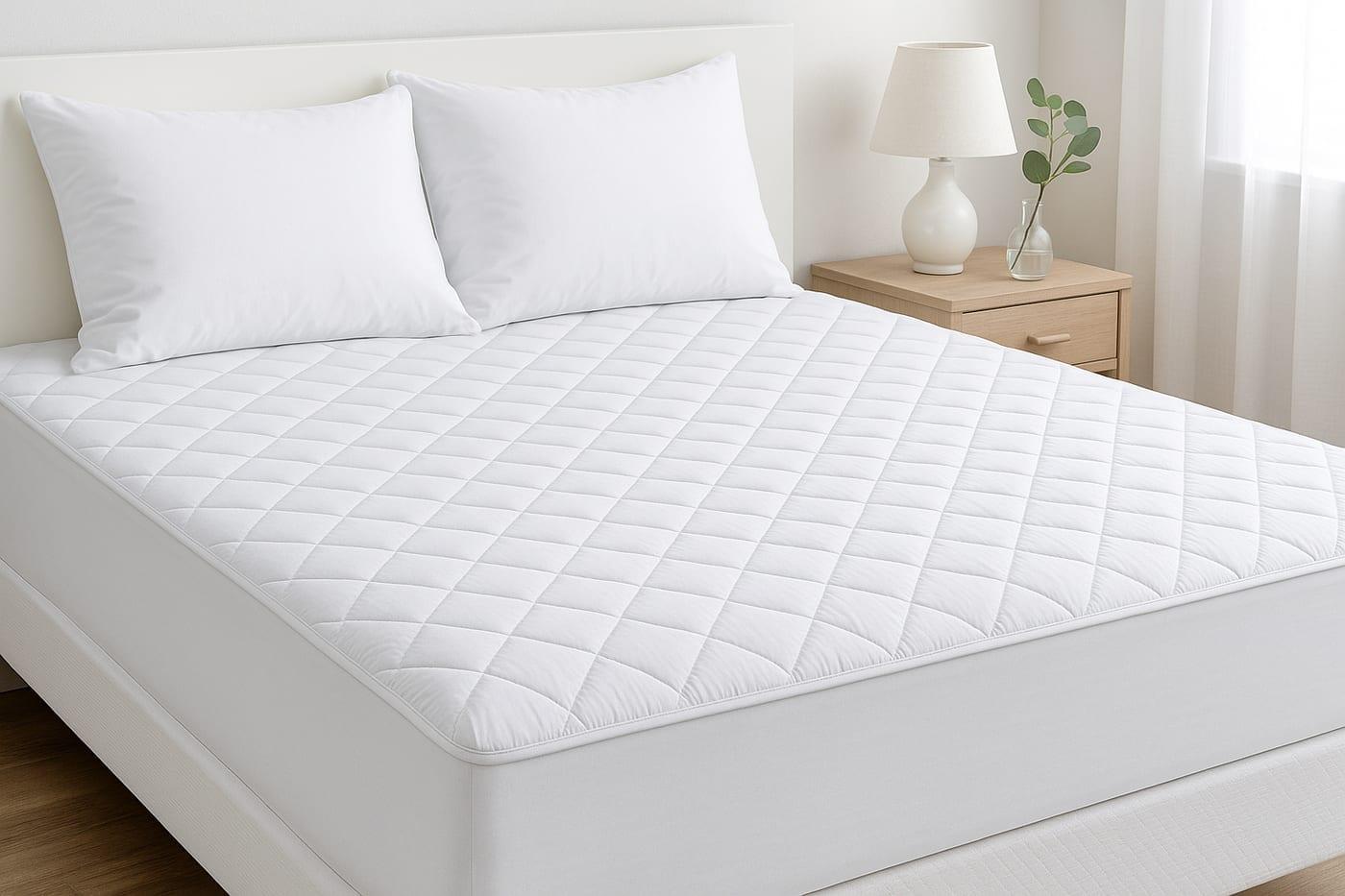
Every parent wants a dry, hygienic sleep surface for their baby — without increasing suffocation risk, overheating, or exposure to harmful chemicals. Waterproof mattress protectors sound like an obvious solution, but the truth is: not all waterproof protectors are safe for infants. Some use PVC, carry lingering chemical smell, trap heat, or fit loosely, which can be a hazard during sleep.
In this 2026 guide, we break down what makes a protector baby-safe, which certifications matter (and which ones don’t), and how to choose a breathable, toxin-free, snug-fitting option. If you’re preparing a newborn sleep setup or upgrading a crib mattress, this article gives you the complete checklist — backed by testing standards, paediatric sleep recommendations, and real material science.
Why parents use waterproof protectors for baby mattresses
Babies spend 12–16 hours a day sleeping during the first months, and leaks are inevitable: drool, spit-ups, sweat, diaper accidents and milk spills. A waterproof layer protects the mattress core from mould, bacteria growth and deep stains — extending mattress life and improving hygiene. However, protection should never come at the cost of breathability, chemical safety, or safe crib fit.
- Keeps mattress free from urine, milk stains, and sweat absorption
- Prevents bacteria and mold caused by trapped moisture
- Reduces washing effort — only the sheet and protector need cleaning
- Allows hand-me-down or resale of mattresses without hygiene concerns
Key safety factors
A baby-safe protector must balance four core features: breathability, non-toxic materials, secure fit, and easy washing. If even one of these is missing, the product may be unsuitable for infants, especially in the first 12 months of life.
- Breathability of top fabric — avoid heavy, non-breathable finishes
- Non-toxic waterproof barrier (TPU preferred over PVC)
- Snug fit — avoid loose layers that could be a hazard
- Easy cleaning without harsh chemicals
Breathability matters most for infants because overheating is a known SIDS (Sudden Infant Death Syndrome) risk factor. If the protector traps heat or blocks air circulation, it is unsafe no matter how soft it feels.
PVC vs TPU: the material safety debate
Most waterproof layers are made from either PVC (polyvinyl chloride) or TPU (thermoplastic polyurethane). PVC is cheaper but can release phthalates, VOC fumes and plasticiser residue. TPU is considered the safer alternative — food-grade, odour-free, and flexible while still waterproof.
Which certifications should parents actually look for?
The baby sleep industry is filled with marketing terms like “organic”, “eco-safe”, or “medical-grade” that have no legal meaning. Instead, look for independent test standards that confirm low chemical residue, skin safety, and absence of heavy metals or formaldehyde.
- Oeko-Tex Standard 100 Class 1 – Baby-grade textile certification with 300+ chemical checks
- REACH compliant – EU standard restricting hazardous substances
- CPSIA compliant – US child safety regulation for lead, phthalates, and surface coatings
- ISO 8124 / EN71 (toy safety) – Relevant if product includes soft padding or accessories
If a brand cannot provide a test report or certificate number, treat the claim as unverified. Labelling like “natural”, “eco”, or “baby approved” means nothing without certification proof.
How to check if a mattress protector is breathable
A breathable protector allows air and heat to pass upward through the fabric, while still blocking liquids from reaching the mattress. You can assess breathability by:
- Touch test — fabric shouldn’t feel rubbery or plastic-coated
- Hold to light — woven surface should show micro-gaps, not a sealed sheet
- Breath test — you should feel air pass through when blowing into it
- Manufacturer should mention GSM weight and airflow rating
100% cotton terry with TPU backing is the most common baby-safe choice because it absorbs liquid quickly on the top surface while the backing blocks penetration.
Safe fit: why loose protectors can be dangerous
Loose bedding is a known hazard for infants because it can bunch up and obstruct breathing. A mattress protector must fit tightly like a fitted sheet with deep pockets and elastic edging. Avoid protectors that: • shift when baby moves • wrinkle under crib sheets • create air gaps at the corners
If the protector is too large, always size down — never tuck fabric under the mattress to “make it work.”
Recommended Kaibee protectors for babies
₹899
₹1,600
44% OFF
₹899
₹1,600
44% OFF
Both options use Class-1 certified cotton terry and food-grade TPU, tested for 10,000+ wash cycles, with deep-fit elastic skirts suitable for crib, cot and newborn-size baby mattresses.
How to wash a baby mattress protector safely
Harsh detergents and high-heat drying can break down waterproof layers. Follow this infant-safe wash routine:
- Pre-rinse stains in cold water (never hot—sets protein stains).
- Machine wash at 30–40°C using mild, enzyme-free detergent.
- Avoid bleach, fabric softeners, and vinegar (can damage TPU).
- Line-dry preferred; low-heat tumble if necessary.
- Do not iron the underside — heat can melt waterproof membrane.
Signs your current protector is unsafe
- Crackling or rubber smell even after washing
- Membrane peeling or flaking
- Baby wakes sweaty or mattress feels warm to touch
- Protector bunches under sheet or fits loosely
- PVC warning label or no material disclosure