
Hand Towel vs Bath Towel vs Bath Sheet — What’s the Difference and Which One Do You Need?
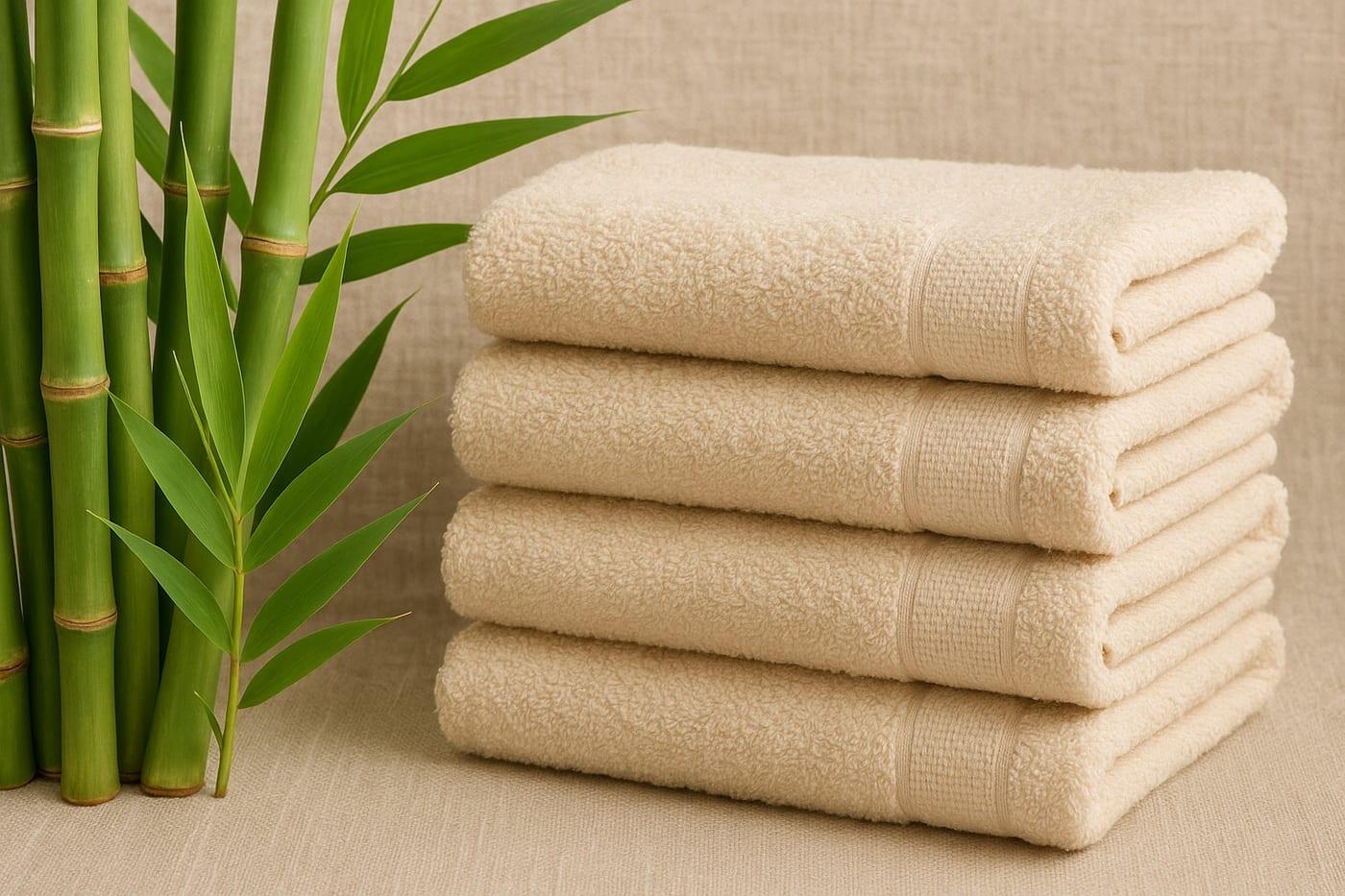
If you’ve ever stood in the towel aisle or scrolled through endless online options wondering why there are so many sizes — hand towel, face towel, bath towel, bath sheet — you’re not alone. Most people simply pick whatever “looks normal” without realising that towel size, weight, GSM (grams per square metre) and fabric type actually impact things like drying speed, absorbency, hygiene and even how much storage space you need. In Indian homes especially, where bathrooms tend to be smaller and humidity is higher, choosing the right towel can make the difference between a fresh, fast-drying towel and one that stays damp all day and smells musty by Day 3.
The simplest way to look at the towel world is by function: hand towels for quick drying, bath towels for everyday use and bath sheets for when you want full spa-style coverage. But there’s more nuance — like fabric type (cotton vs bamboo), GSM, how many towels a household should ideally own, and what actually makes a towel last for years instead of months. So this guide breaks it all down in a friendly, practical way so you can easily pick the towel that suits your routine instead of buying randomly and being disappointed later.
Typical sizes & use-cases
Before getting into fabric, care or buying tips, it helps to start with size. The size of a towel directly affects how you use it, how quickly it dries, and how much comfort or coverage it gives. Hand towels, bath towels and bath sheets each sit in a different size category and serve different purposes — and while different brands have slight variations, the size ranges below are considered standard across most good-quality towel makers.
Hand towels are the smallest of the three. They’re usually hung near a sink and meant to dry hands or face after washing. You’ll typically find them in sets of two, four or six, because they’re changed more often due to hygiene. Bath towels are the standard towel most people imagine post-shower — large enough to dry the full body but not so big that they take forever to dry. Bath sheets are the oversized, hotel-style version of a bath towel, and the main reason people love them is simple: they wrap completely around the body without leaving gaps, making them great if you prefer staying wrapped after a shower, or if you like that spa-at-home feeling.
One thing to note: bigger isn’t always better. A bath sheet feels luxurious, but it also takes longer to air-dry, may not fit on smaller towel rods, and can feel heavy if it’s a high GSM fabric. So it’s best to think of towel size not as fancy vs basic, but as a match to your bathroom size, climate, storage space and personal routine.
Choosing by need
Once you know what each towel type is for, the next step is deciding what *you* actually need. A family of four with two bathrooms will have very different towel needs from a solo traveller who just wants a lightweight towel that dries by afternoon. So here’s a simplified breakdown based on lifestyle, space and preference — especially relevant if you’re shopping online where you can’t feel the towel before buying.
- Small bathrooms & quick-dry needs: hand towels and low-GSM bath towels
- Luxury & sprawled drying: bath sheets with higher GSM
- Travel: lightweight bamboo towels
If you live in a humid city like Mumbai, Kochi or Kolkata, quick-dry towels — usually in the 400–500 GSM range — help prevent damp smells. If you have a spacious bathroom with ventilation or a drying rod near sunlight, a 600+ GSM bath sheet or premium towel will feel plush and absorbent without staying wet for too long. For travel, gym bags or backpacking, bamboo towels are smart because they’re naturally antimicrobial, soft even in low-GSM versions and fold compactly.
A lot of people also mix and match — hand towels in cotton for durability, bath towels in bamboo for softness, and one or two bath sheets reserved for weekend self-care or guests. If you’ve ever used a super-fluffy hotel towel and wondered why home towels never feel the same, bath sheets are usually the difference.
Kaibee product suggestions
If you’re comparing for real-life use instead of just theory, here are a few examples from the Kaibee towel range that fit the three categories above. Since fabrics behave differently, these examples also give you a sense of what to expect from cotton vs bamboo vs blends.
₹499
₹799
38% OFF
These hand towels work well in Indian bathrooms because bamboo fibres are naturally soft, absorbent and dry faster than heavy terry cotton. Since hand towels are washed more often, bamboo also helps reduce fabric stiffness over time. A pack of six means you can rotate fresh towels without doing laundry every day.
₹699
₹1,099
36% OFF
This is the kind of towel most people buy as a replacement for their regular cotton towel — but noticeably softer, especially after wash three or four. If you like towels that don’t feel rough after repeated use, bamboo is worth trying at least once. It’s also a good option if your skin is sensitive or if you dislike towels that feel bulky.
₹799
₹1,349
41% OFF
A good quality cotton towel still wins for durability, especially if you prefer something that lasts years and can handle frequent machine washing. This one is closer to the everyday towel most households use — simple, absorbent, no-frills. Perfect for students, guest bathrooms or anyone who wants a dependable daily towel.