
Best D2C Home Textile Brand in India: Why Buying Direct Makes a Difference
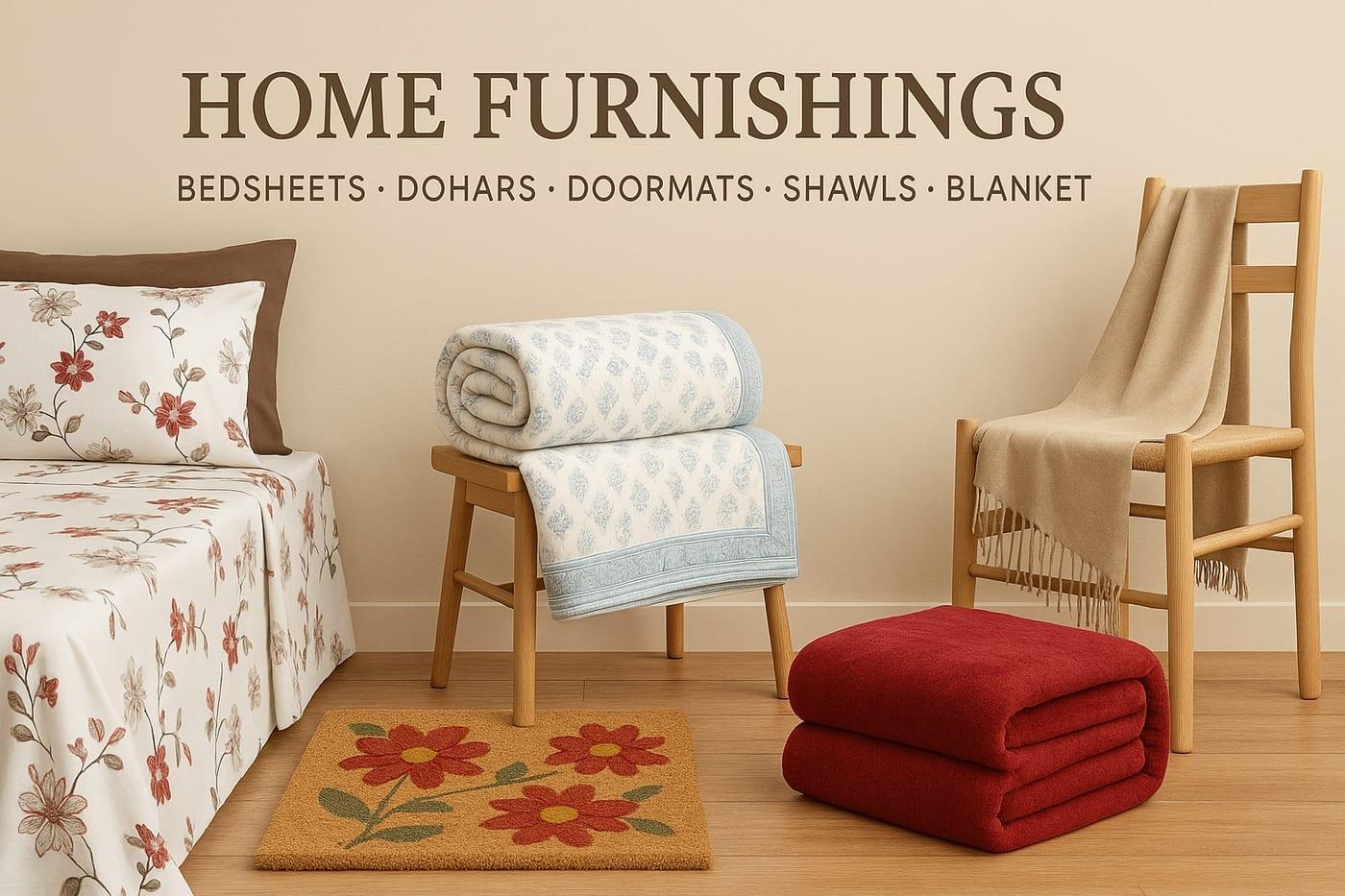
Most bedsheets, towels and home textiles sold in India pass through at least two or three layers before they reach you — manufacturer, wholesaler, distributor, retailer. Every step adds margin. By the time a product lands on a marketplace listing or a retail shelf, a significant portion of what you pay is covering those middlemen, not the fabric itself.
D2C — direct-to-consumer — brands remove that chain. They make the product, control the quality at every stage, and sell directly to the person who will use it. For home textiles in particular, this changes what you can get for your money. This guide explains what D2C actually means in practice, what to look for when choosing a D2C home textile brand in India, and how Kaibee approaches it.
What does D2C mean for home textiles?
D2C stands for direct-to-consumer. A D2C brand manufactures its own products — or works directly with the manufacturer — and sells to you through its own website or store, without going through wholesalers, distributors or third-party retailers.
In the home textile category, this matters more than in most. Fabric quality degrades silently under cost pressure — thread count gets inflated, blends quietly shift from cotton to polyester, and stitching quality drops to protect margin at each step. When a brand owns the entire chain, these compromises either do not happen or are immediately visible to the same people who made the decision.
What to look for in a D2C home textile brand
Not every brand that sells on its own website is genuinely D2C in spirit. Some simply list the same products they supply to wholesalers. Here is how to tell the difference.
- Fabric specifications listed clearly — thread count, fabric composition percentage, GSM for towels — not just marketing language
- Honest sizing — a king size bedsheet that actually measures 108 × 108 inches, not 100 × 100 labelled otherwise
- Product photos that show the actual item, not generic stock imagery
- A return and refund policy you can find and understand before buying
- Real customer reviews that mention specific products, not generic praise
- Direct customer contact — email, phone or WhatsApp — not a form that disappears
These are not high standards. They are the baseline that should come with any home textile purchase. The reason they are worth listing is that a surprising number of marketplace listings and resellers fail most of them.
Why Kaibee is built as a D2C brand
Kaibee started with a single question: why does buying a genuinely comfortable bedsheet or towel in India require either a large budget or a lot of luck? Premium quality existed, but it was priced out of reach for most households. Affordable options existed, but the quality was inconsistent — fine in the shop, disappointing after two washes.
The answer was to go direct. By working closely with fabric manufacturers in India and cutting out the distribution chain, Kaibee can offer fabrics and finishing standards that would normally sit at a higher price point — without the price point. Comfort should not feel like a luxury. It is something that should be available to every Indian household.
- Fabric sourced and quality-checked before manufacturing, not after
- Sizes are accurate — what is stated on the product is what you receive
- Designed specifically for Indian weather, wash cycles and everyday use
- Honest pricing with no hidden retail margin built in
- Direct customer support via WhatsApp, email and phone
Kaibee products that show what D2C quality looks like
The difference between a D2C brand and a marketplace reseller is most visible in a few product categories where quality matters most and is hardest to fake over time.
₹1,499
₹2,499
40% OFF
Size accuracy is where most cheaper bedsheets quietly fail. This sheet is cut to the stated dimensions, not approximated. The cotton fabric is consistent — it does not thin in the first three washes.
₹699
₹1,099
36% OFF
GSM is one of the easiest specs to inflate. A 600 GSM label does not guarantee a 600 GSM towel unless the brand controls the manufacturing. Kaibee's bamboo towels are weighed and verified before they are packed.
₹899
₹1,600
44% OFF
Mattress protectors are a category where the difference between a genuine and a cheap version shows up the first night — either in how it fits, or in the noise it makes when you move. This one does neither.
₹599
₹899
33% OFF
Pillow fill density is nearly impossible to verify in a marketplace photo. The only way to be confident is to buy from a brand that controls what goes in.
D2C vs marketplace: when does it actually matter?
For everyday items with low stakes — a phone case, a notebook — buying from any source is usually fine. For home textiles, the calculus is different. You use a bedsheet every single night. A towel gets used daily and washed weekly. A mattress protector sits on the most expensive item in your bedroom.
These are products where durability, accurate sizing, and fabric quality directly affect sleep, hygiene and how long the item lasts. A bedsheet that costs ₹200 less but thins out after five washes is not a bargain. A towel with an inflated GSM that feels thin the first time you use it is a more expensive mistake than a well-made one bought at a fair price.
- Home textiles are daily-use items — quality failures compound over weeks and months, not hours
- Fabric quality is invisible in a photo — it only shows in use and in the wash
- D2C brands are directly accountable when something falls short; resellers often are not
- Price differences between D2C and marketplace resellers for genuine products are usually smaller than they appear — the cheaper listing is often a lower-quality product